
Best Access Points
Our pick of the best access points, ranked by VS Score from 15 we compared.
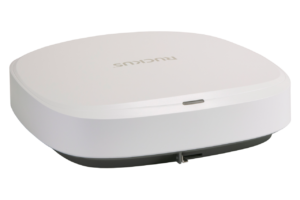
Ruckus R770
Top pickWho it’s for: Managed networks in schools, clinics, hotels and offices that run or are rolling out Ruckus and need a tri-band access point with adaptive antennas, built for client density.
- A much higher ethernet port speed ?10 Gbps vs 2.5 Gbps (median)
- More max concurrent clients ?1,024 vs 300 (median)
- A much higher max wireless speed ?12,220 Mbps vs 4,988 Mbps (median)
79PointsWho it’s for: Fortinet sites that need tri-band Wi-Fi 7 across a campus, yard or loading area, can run fiber to the pole, and already run a FortiGate
- A much higher max wireless speed ?10,777 Mbps vs 4,988 Mbps (median)
- A much higher ethernet port speed ?5 Gbps vs 2.5 Gbps (median)
- Has 6 GHz band ?
76Points
Who it’s for: Busy offices, clinics, schools and venues already on UniFi with 802.3bt PoE++ switching, where dozens of devices share a room and the internet feed is faster than an ordinary uplink.
- A much higher max wireless speed ?15,088 Mbps vs 4,988 Mbps (median)
- A much higher ethernet port speed ?10 Gbps vs 2.5 Gbps (median)
- Has 6 GHz band ?
69Points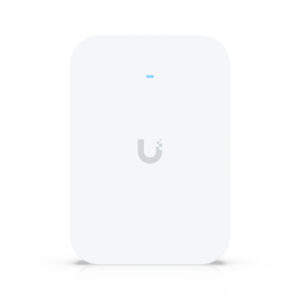
Who it’s for: UniFi sites that need a wall-mounted access point and already have multi-gig PoE+ switching to make the faster port count.
- A much higher ethernet port speed ?10 Gbps vs 2.5 Gbps (median)
- A much higher max wireless speed ?10,788 Mbps vs 4,988 Mbps (median)
- Has 6 GHz band ?
67Points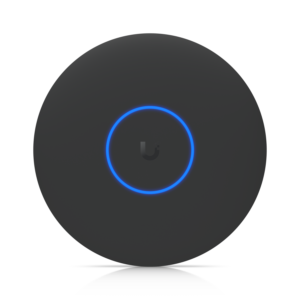
Who it’s for: UniFi homes and small offices building multi-AP coverage: the 10 GbE uplink lets the fastest radio stretch its legs, and 11k/v/r roaming is proper. Pair it with a multi-gig PoE switch.
- A much higher ethernet port speed ?10 Gbps vs 2.5 Gbps (median)
- A much higher max wireless speed ?10,788 Mbps vs 4,988 Mbps (median)
- Has 6 GHz band ?
64Points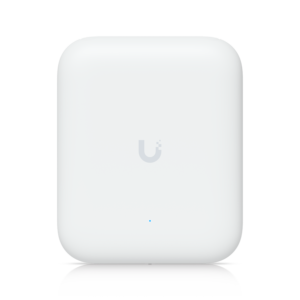
Who it’s for: A UniFi site in the US or Canada that wants 6 GHz across a yard, a lot or a sports field, with a PoE+ switch and a solid wall or pole to carry a heavy unit.
- A much higher coverage area ?5,000 sq ft vs 1,625 sq ft (median)
- A much higher max wireless speed ?10,788 Mbps vs 4,988 Mbps (median)
- Has 6 GHz band ?
59Points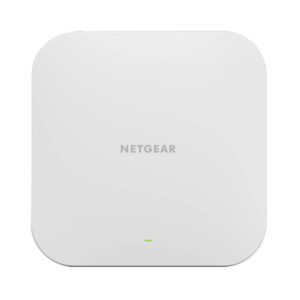
Who it’s for: Small offices, clinics and shops that want centrally managed Wi-Fi without owning a controller or hiring someone to run it, and that already have a PoE+ switch to plug it into.
- Has ceiling mountable ?
- Has DC power option ?
- A lighter build ?410 g vs 533.5 g (median)
44Points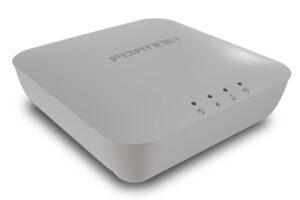
Who it’s for: A shop, branch office or clinic that already runs a FortiGate and wants Wi-Fi 7 access points it can manage from the same firewall, on existing PoE+ ports.
- Has ceiling mountable ?
- Has DC power option ?
- A lighter build ?385 g vs 533.5 g (median)
43Points
Who it’s for: A house or office with a large open floor, mostly Wi-Fi 5 and Wi-Fi 6 devices and a basic PoE switch, where a stronger 5 GHz signal from one ceiling point is worth more than a third band.
- Has ceiling mountable ?
- A slightly higher coverage area ?1,750 sq ft vs 1,625 sq ft (median)
- A lighter build ?448 g vs 533.5 g (median)
43Points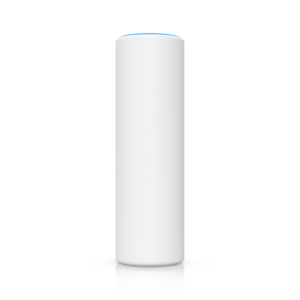
Who it’s for: A house that already runs UniFi and wants Wi-Fi on a patio, in a garage or in a detached workshop that one cable or a mesh link can reach.
- Has outdoor rated ?
- A lighter build ?313 g vs 533.5 g (median)
43Points