No current price: no retailer we track lists it right now.
21 facts in comparison
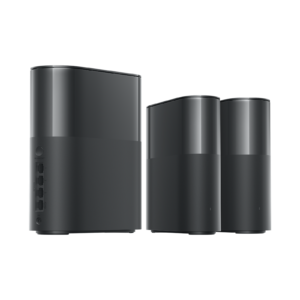
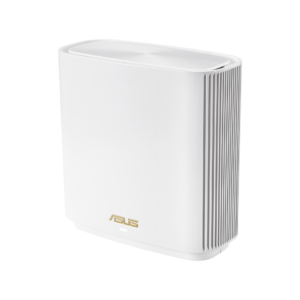
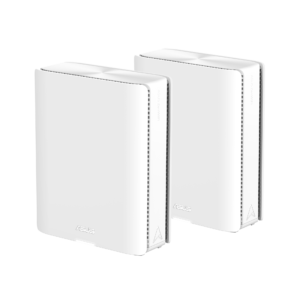
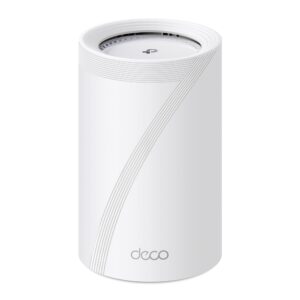
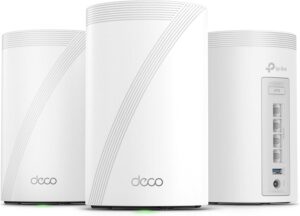
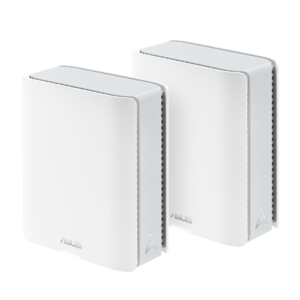
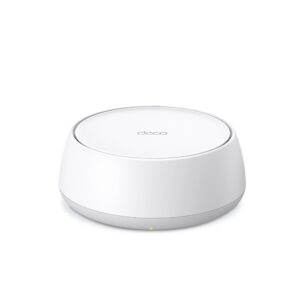
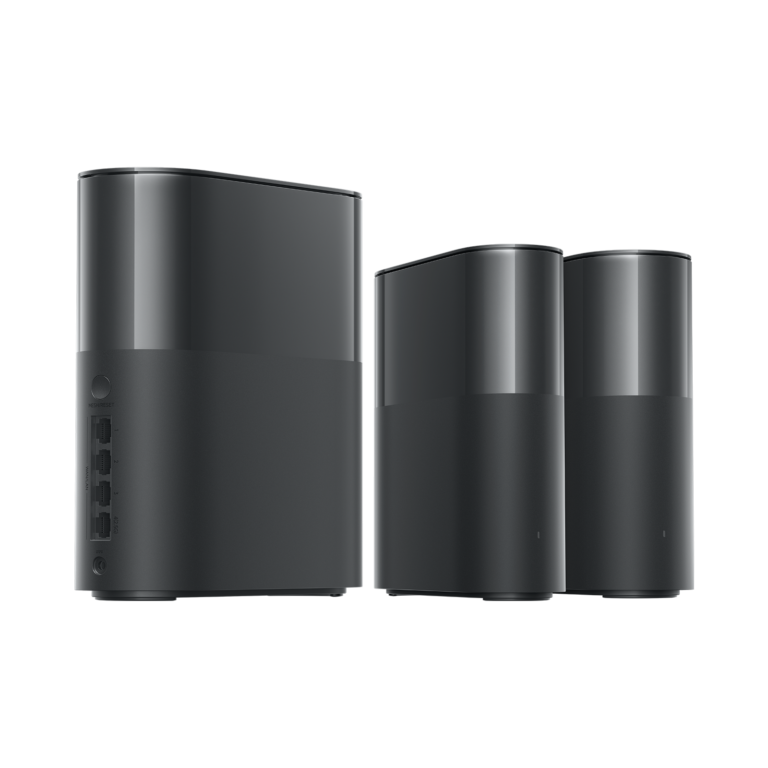
Xiaomi Mesh System BE3600 Pro (3-Pack) vs ASUS ZenWiFi ET9
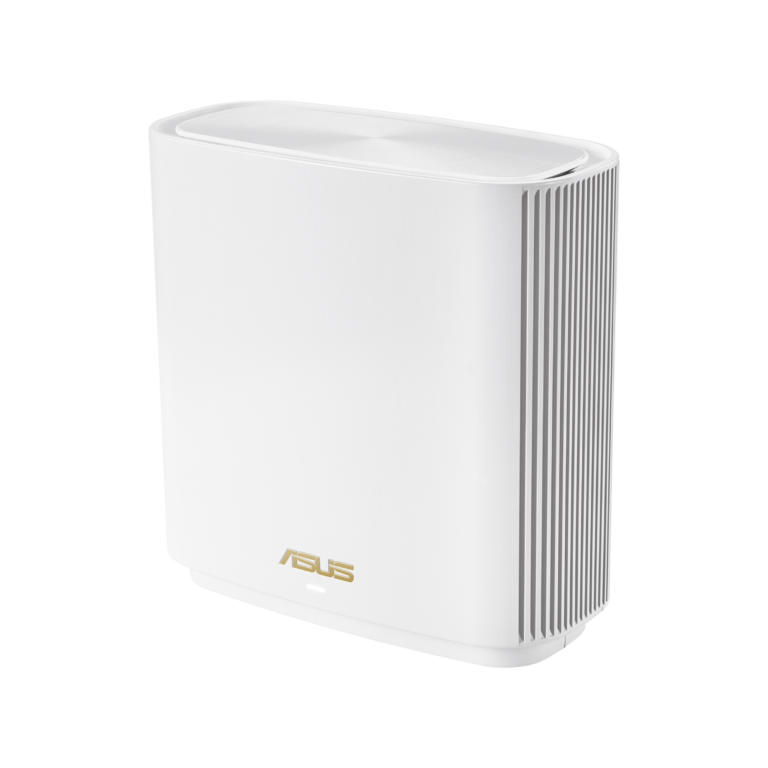
This is a Wi-Fi generation against a band count, and the table gets the direction wrong if you read only the first row. The Xiaomi Mesh System BE3600 Pro carries the newer Wi-Fi 7 label but runs two bands with no 6 GHz radio, so it is efficiency features layered on hardware that behaves like a dual-band system. The ASUS ZenWiFi ET9 is a generation older on paper and yet has the third band, the dedicated wireless backhaul and the USB port that the Xiaomi lacks.
The row that decides most homes is dedicated wireless backhaul. Mesh performance lives or dies on how the nodes talk to each other. The ET9 can reserve its 6 GHz radio for that job, or hand it back to devices when the nodes are wired. The Xiaomi shares its two bands between backhaul and clients unless you run a cable between nodes, and its best argument is exactly that cable: every satellite carries a fast port, so a wired run is genuinely usable.
Each makes a clear bargain. Xiaomi sells three nodes with a fast port on each, pre-paired, from a brand with no official presence in most of its buyers' countries. ASUS sells one node with a permanently free security suite and parental controls, mature firmware and a local support path, on a radio set that is a step behind and with gigabit LAN ports beside a multi-gig WAN.
Who is wrong for whom: a buyer who can wire the nodes and lives inside Xiaomi's app ecosystem gets more hardware for the money from the three-pack. A buyer who resents subscriptions, wants a real VPN server and expects firmware support for years should treat the ET9 as the safer purchase despite the older label. A buyer who wants the newest wireless band gets it from neither.
Editor’s note
The Xiaomi's best feature is a port most three-packs skip: a fast socket on every node, not only the main unit. Wire the satellites and the mesh has real headroom. Where it compromises is everything around the hardware. There is no 6 GHz radio despite the Wi-Fi 7 badge, no USB, no voice assistant, and no local firmware or retail support in most markets. Anyone who wants the newest band, or who wants someone to answer the phone when an update goes wrong, should walk past it.
The ET9 is the more considered product and the one showing its age. The permanent security suite is a genuine saving against rivals that charge yearly, the dedicated backhaul is a real performance lever, and the USB port and VPN server suit people who like to run their own services. The compromise is timing: a previous-generation radio with no multi-link, and LAN ports capped at gigabit while only the WAN is faster. A wired NAS will notice.
I would send a household with a cabled house and a tight budget to Xiaomi, and everyone else to ASUS, with the note that ASUS's own Wi-Fi 7 successor in the same family is the better long-term buy unless the ET9 is discounted.
Head-to-head points: every spec is scaled between these products only, so a product can score high here and modestly on its own page, where the VS Score measures it against the median of its class.
Where the Xiaomi Mesh System BE3600 Pro (3-Pack) beats the ASUS ZenWiFi ET9
- Wi-Fi 7 Wi-Fi standard ?Wi-Fi 7 vs Wi-Fi 6E
- A much higher units included ?3 vs 1
- Has smart home hub ?
Where the ASUS ZenWiFi ET9 beats the Xiaomi Mesh System BE3600 Pro (3-Pack)
- A much higher max wireless speed ?7,780 Mbps vs 3,570 Mbps
- Has tri-band ?
- Has dedicated wireless backhaul ?
- Has 6 GHz band ?
- Has USB port ?
- A lower unit height ?161.5 mm vs 217.2 mm
Key real-world differences
The spec sheet pulls in both directions. These are the gaps big enough to shape the decision — with the actual figures, and what each one means in real-world use.
- Tri-bandWirelessNo vs Yes — only the ASUS ZenWiFi ET9 has it
A third radio band keeps speeds up when units relay traffic wirelessly.
- Dedicated wireless backhaulWirelessNo vs Yes — only the ASUS ZenWiFi ET9 has it
A band reserved for unit-to-unit traffic so client speeds don't halve.
- Smart home hubFeatures & securityYes vs No — only the Xiaomi Mesh System BE3600 Pro (3-Pack) has it
Built-in Zigbee/Thread/Matter radio to control smart home devices.
- USB portPorts & backhaulNo vs Yes — only the ASUS ZenWiFi ET9 has it
A USB port for shared drives or printers.
Which one should you buy?
There is no single answer — it depends on what you will actually use it for. Match your priority to the pick below.
- Best for wireless ASUS ZenWiFi ET9 takes the category 61 to 39 — driven by tri-band (No vs Yes).
- Best for features & security Xiaomi Mesh System BE3600 Pro (3-Pack) takes the category 100 to 91 — driven by smart home hub (Yes vs No).
- Best for ports & backhaul ASUS ZenWiFi ET9 takes the category 100 to 93 — driven by USB port (No vs Yes).
- The safe all-rounder ASUS ZenWiFi ET9 wins 2 of 3 categories and tops the overall VS Score at 76.
Where each one falls short
Xiaomi Mesh System BE3600 Pro (3-Pack)
- Tri-band: No vs Yes
- Dedicated wireless backhaul: No vs Yes
- Max wireless speed: 3,570 Mbps vs 7,780 Mbps
- 3 specs are unreported (shown as Unknown) and excluded from its scores.
ASUS ZenWiFi ET9
- Wi-Fi standard: Wi-Fi 7 vs Wi-Fi 6E
- Units included: 3 vs 1
- Smart home hub: Yes vs No
- 1 spec is unreported (shown as Unknown) and excluded from its scores.
What matters to you?
Drag the sliders to weight each category and re-rank the products to suit your priorities.
Score breakdown
Wireless
Ports & backhaul
Features & security
Design
Specs last verified October 11, 2026Xiaomi Mesh System BE3600 Pro (3-Pack): 18 of 21 specs verified (86%)ASUS ZenWiFi ET9: 20 of 21 specs verified (95%)Unverified specs show as Unknown — never estimated, never scored
What reviewers say
The bottom line
Choose the ASUS ZenWiFi ET9 if the nodes will be placed without cables between them, if you want security and parental controls that never bill you, and if you value a support path you can actually reach. Its third band is what keeps a wireless mesh fast. Choose the Xiaomi Mesh System BE3600 Pro if you can wire at least two of the three nodes, need three units from the start and already live in Xiaomi's app.
The trade-off that decides it is backhaul. Wired, the Xiaomi's fast ports on every node make it the better value. Wireless, the ET9's dedicated band is the difference between a mesh that holds up and one that shares its air with your devices.