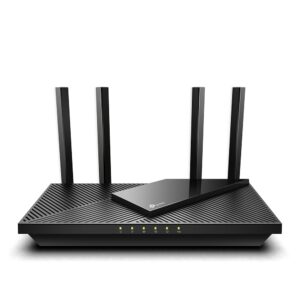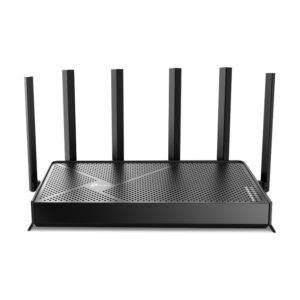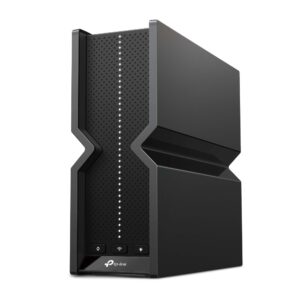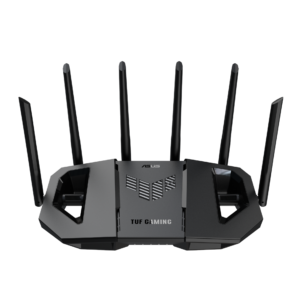
No current price: no retailer we track lists it right now.
28 facts in comparison
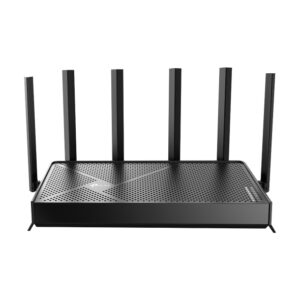
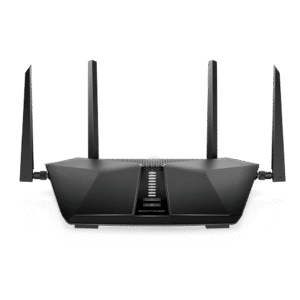
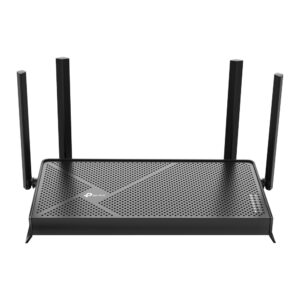
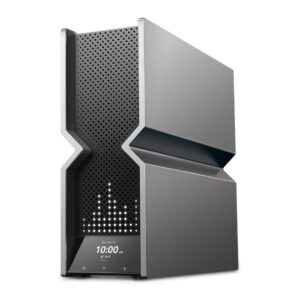
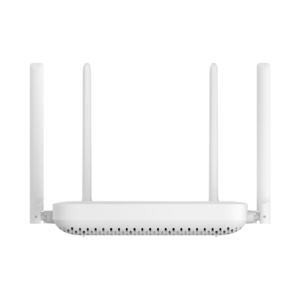
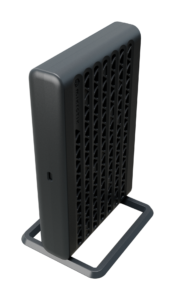
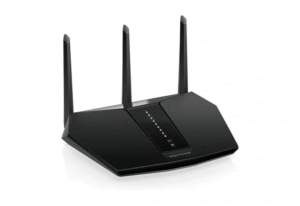
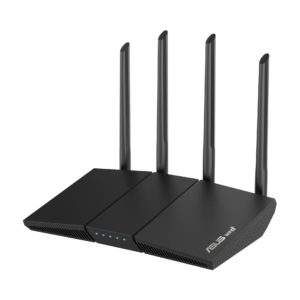
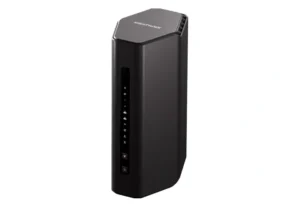
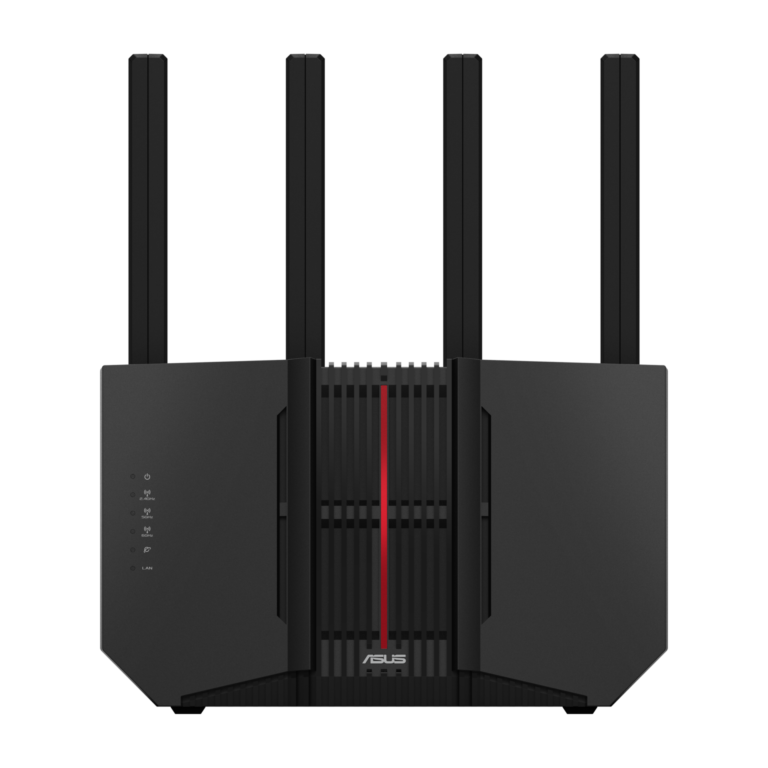
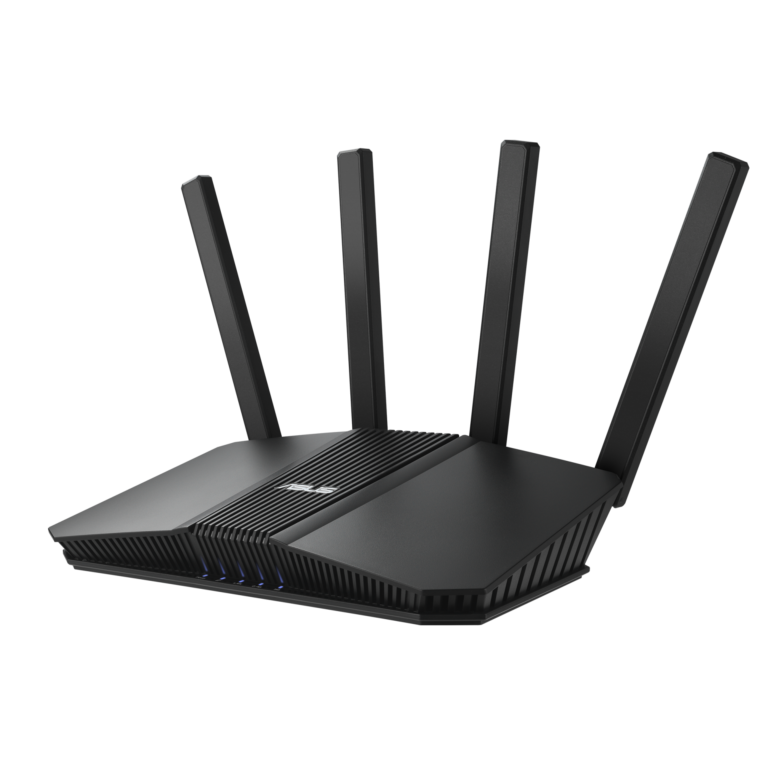
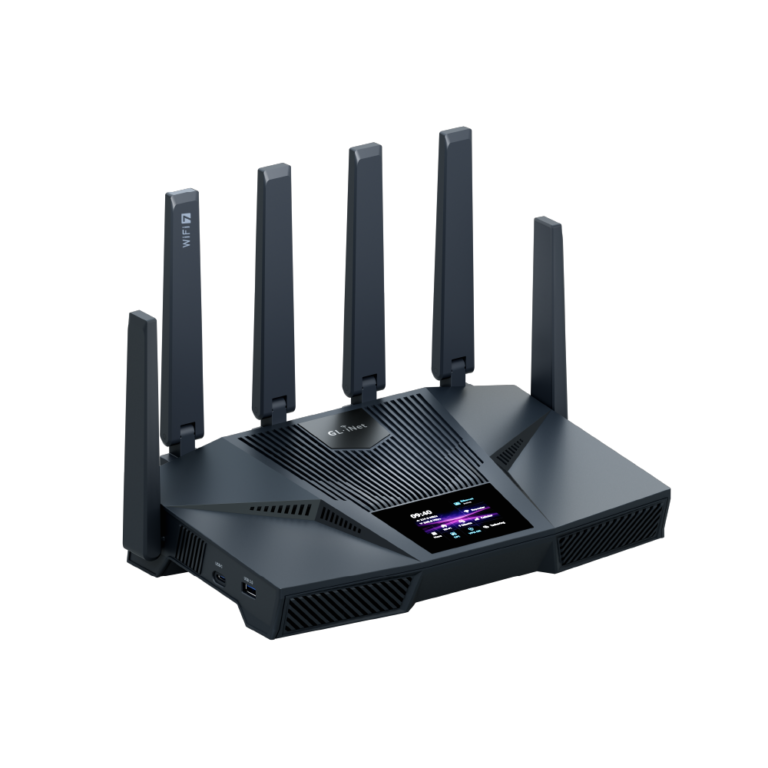
ASUS RT-BE92U vs ASUS RT-BE82U vs GL.iNet Flint 4 (GL-BE14000)
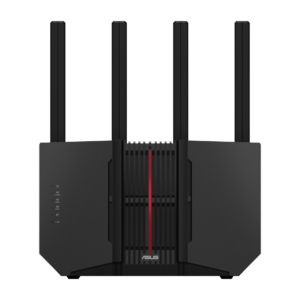
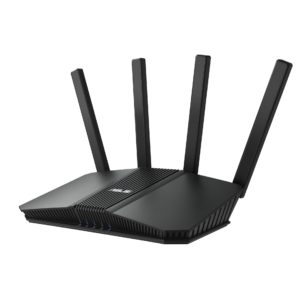
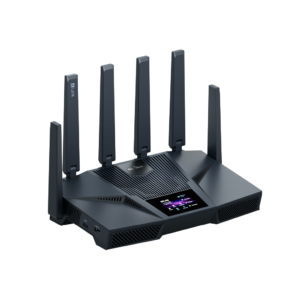
Two of these routers belong to a consumer line-up and the third does not, and the table only hints at it. The GL.iNet arrives with more of nearly everything countable: more local ports, twice the memory, more antennas, more USB. What it does not share with the ASUS pair is the reason most people buy a router of this class - a polished app, a mesh system that pairs in a minute, and a maintained security suite.
Read the rows in that light. Seven local ports rather than four is a real difference for anyone with a desk of wired gear or a small rack, and it removes the need for a separate switch. Two gigabytes of memory matters if the router will run extra services rather than simply move packets. Six antennas against four suggests a different physical design, not guaranteed coverage.
The processor row cuts the other way and is a useful corrective: the ASUS pair clocks higher, and clock speed is what routers strain against when inspecting traffic or terminating a VPN. Memory does not compensate for cycles.
Between the two ASUS models the story is simpler and familiar. The RT-BE92U adds a 6 GHz band and a ten-gigabit socket that the RT-BE82U does not have, and the rest of the ownership experience is the same on both.
So this is not a ranking. It is a question about what sort of owner you are, and the answer decides which two of the three you should be comparing in the first place.
Editor’s note
The most useful thing to say about this set is which reader each product is wrong for.
The Flint 4 is wrong for anyone who wants a router to be invisible. Its appeal is control, and control means taking responsibility for firmware, features and settings that the ASUS pair decide on your behalf. The extra memory and ports exist because its buyers run things on it.
The RT-BE82U is wrong for anyone who has already committed to a multi-gigabit connection or a 6 GHz device fleet, because it can serve neither.
The RT-BE92U is wrong for a large house bought as a single unit. It is the strongest of the three inside the ASUS ecosystem, but a big house needs nodes rather than a bigger box, and the money spent stepping up from the BE82U covers a good part of a second unit.
One row deserves an explicit warning. The headline wireless speeds are sums across all bands, and the largest of them belongs to the router with the slowest processor. Those two facts sit uncomfortably together, and they are a good reason to ignore the speed column entirely when choosing among these three.
Category strengths
- ASUS RT-BE92U
- ASUS RT-BE82U
- GL.iNet Flint 4 (GL-BE14000)
Spec wins (head-to-head)
- ASUS RT-BE92U 0
- ASUS RT-BE82U 1
- GL.iNet Flint 4 (GL-BE14000) 6
Why ASUS RT-BE92U?
No standout advantages.
Why ASUS RT-BE82U?
- A much lighter build ?502 g vs 1,166 g
Why GL.iNet Flint 4 (GL-BE14000)?
- A higher max wireless speed ?13,657 Mbps vs 9,678 Mbps
- A higher coverage area ?3,100 sq ft vs 2,750 sq ft
- More LAN ports ?7 vs 4
- More USB ports ?2 vs 1
- Much more RAM ?2,048 MB vs 1,024 MB
- More antennas ?6 vs 4
Key real-world differences
The spec sheet pulls in both directions. These are the gaps big enough to shape the decision — with the actual figures, and what each one means in real-world use.
- Max wireless speedWireless9,678 Mbps vs 6,452 Mbps vs 13,657 Mbps — 2.1× more for the GL.iNet Flint 4 (GL-BE14000)
The combined theoretical throughput across all bands.
- LAN portsPorts & wired4 vs 4 vs 7 — 75% more for the GL.iNet Flint 4 (GL-BE14000)
The number of wired Ethernet ports for devices.
- RAMHardware1,024 MB vs 1,024 MB vs 2,048 MB — 2× more for the GL.iNet Flint 4 (GL-BE14000)
More memory handles more simultaneous connections smoothly.
- Coverage areaWireless2,750 sq ft vs — vs 3,100 sq ft — 12.7% more for the GL.iNet Flint 4 (GL-BE14000)
The home size the router is rated to cover.
On paper this is a win, but a gap this small is unlikely to be noticeable in daily use.
- USB portsPorts & wired1 vs 1 vs 2 — 2× more for the GL.iNet Flint 4 (GL-BE14000)
USB ports for shared drives or printers.
Which one should you buy?
There is no single answer — it depends on what you will actually use it for. Match your priority to the pick below.
- Best for wireless GL.iNet Flint 4 (GL-BE14000) takes the category 100 to 70 — driven by max wireless speed (9,678 Mbps vs 6,452 Mbps vs 13,657 Mbps).
- Best for ports & wired GL.iNet Flint 4 (GL-BE14000) takes the category 100 to 64 — driven by LAN ports (4 vs 4 vs 7).
- Best for hardware GL.iNet Flint 4 (GL-BE14000) takes the category 75 to 50 — driven by RAM (1,024 MB vs 1,024 MB vs 2,048 MB).
- The safe all-rounder GL.iNet Flint 4 (GL-BE14000) wins 3 of 5 categories and tops the overall VS Score at 96.
Where each one falls short
ASUS RT-BE92U
- LAN ports: 4 vs 4 vs 7
- RAM: 1,024 MB vs 1,024 MB vs 2,048 MB
- Coverage area: 2,750 sq ft vs — vs 3,100 sq ft
- 3 specs are unreported (shown as Unknown) and excluded from its scores.
ASUS RT-BE82U
- Max wireless speed: 9,678 Mbps vs 6,452 Mbps vs 13,657 Mbps
- 5 specs are unreported (shown as Unknown) and excluded from its scores.
GL.iNet Flint 4 (GL-BE14000)
- Weight: — vs 502 g vs 1,166 g
- 5 specs are unreported (shown as Unknown) and excluded from its scores.
What matters to you?
Drag the sliders to weight each category and re-rank the products to suit your priorities.
Score breakdown
Wireless
Ports & wired
Hardware
Features & security
Design
Specs last verified October 11, 2026ASUS RT-BE92U: 25 of 28 specs verified (89%)ASUS RT-BE82U: 23 of 28 specs verified (82%)GL.iNet Flint 4 (GL-BE14000): 23 of 28 specs verified (82%)Unverified specs show as Unknown — never estimated, never scored
What reviewers say
The bottom line
If you want a router you configure once through a friendly app, extend later with a matching node, and then forget, buy one of the ASUS models - the RT-BE82U unless a multi-gigabit line or a congested 5 GHz band pushes you to the RT-BE92U. If you are the sort of owner who reads release notes, prefers ports to mesh nodes, and would rather tune the software yourself than accept a manufacturer's defaults, the GL.iNet Flint 4 gives more hardware for the money and far fewer guardrails. Both are legitimate positions. What does not work is buying the Flint expecting the ASUS app experience, or buying the ASUS expecting the port count.
Latest comparisons