25 facts in comparison
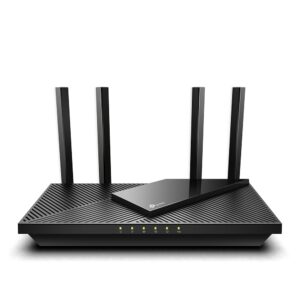
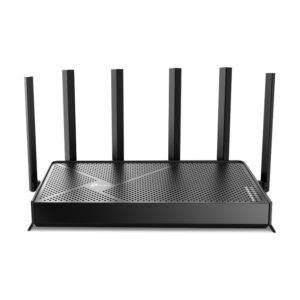
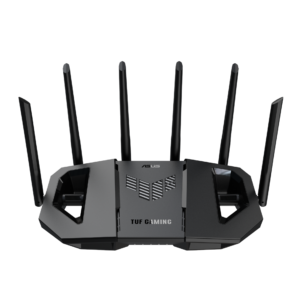
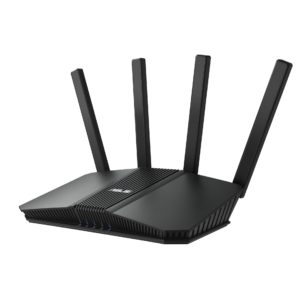
TP-Link Archer BE550 vs ASUS RT-BE92U
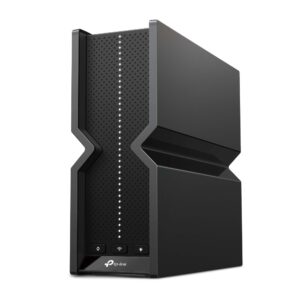
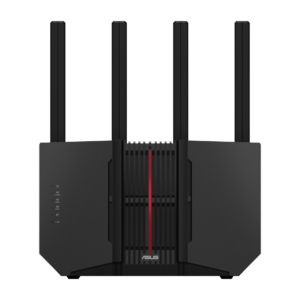
Two mid-range Wi-Fi 7 routers whose wireless ratings are close enough that the radios are the least interesting thing about them. The Archer BE550 and the RT-BE92U are both tri-band, both rated in the BE9000 class, and both aimed at the same buyer: someone replacing a Wi-Fi 6 router in a house with a fast internet plan and a growing number of new devices.
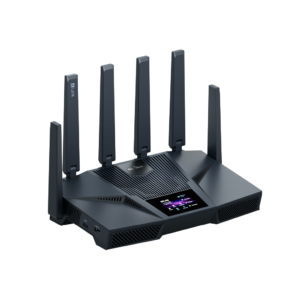
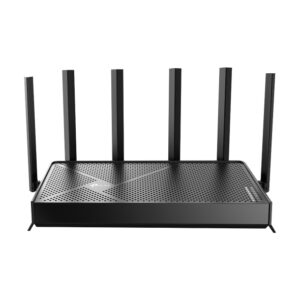
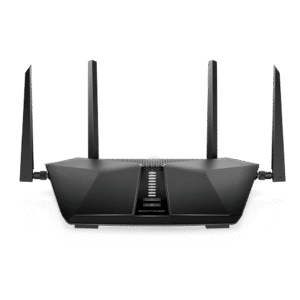
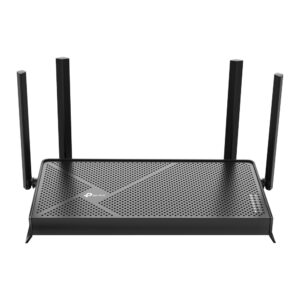
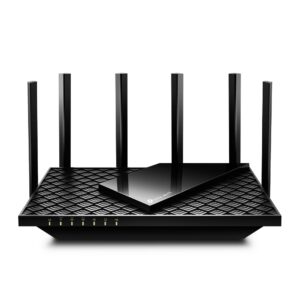
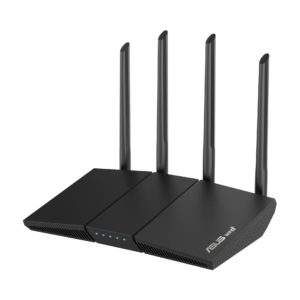
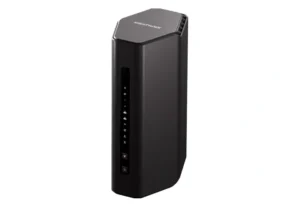
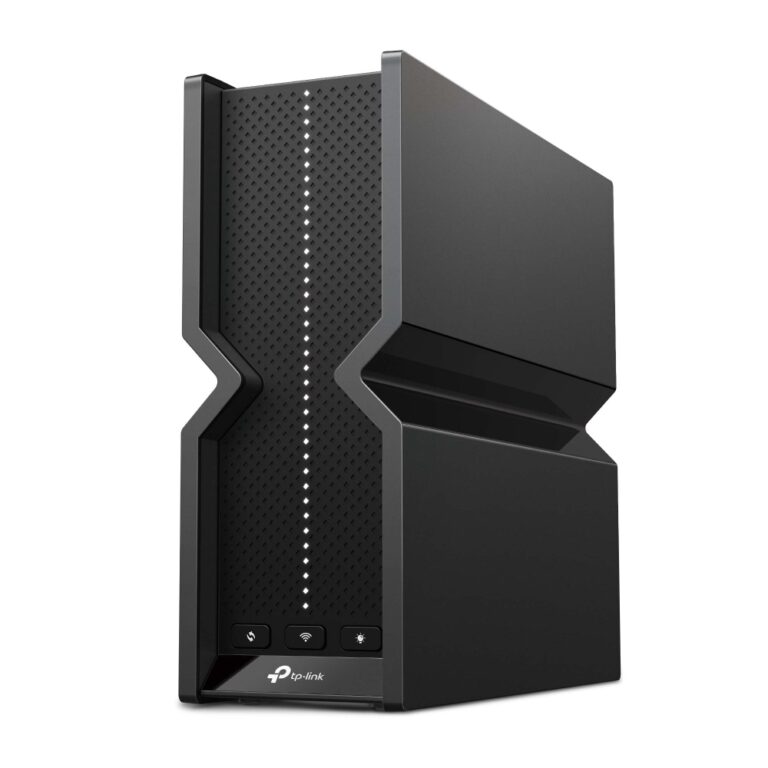
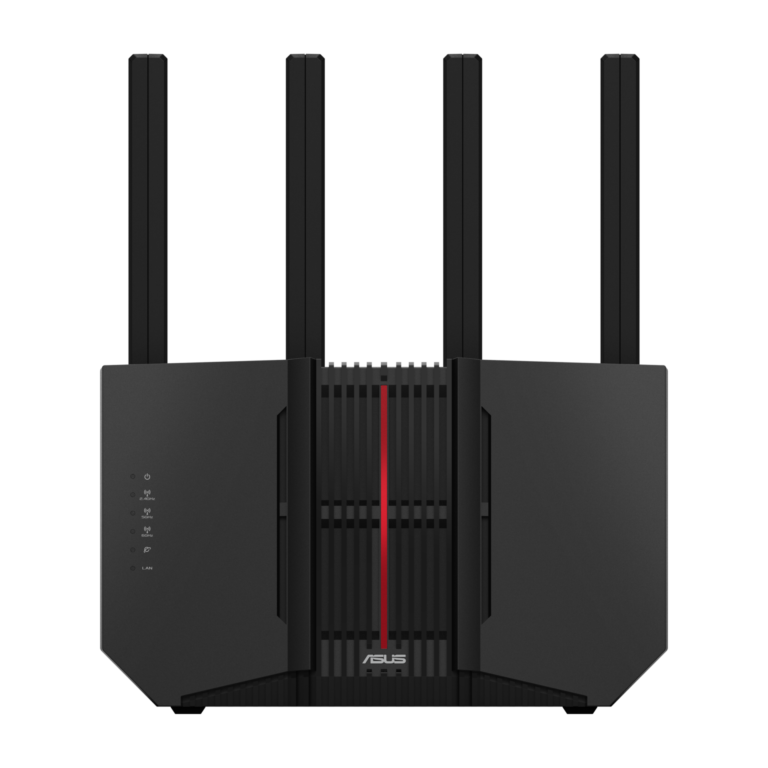
The real difference is in the ports. ASUS fits a 10 Gbps WAN, which matters only if your connection or your local network can feed it, but it removes the ceiling that TP-Link's 2.5 Gbps WAN puts on multi-gig plans. TP-Link answers with six antennas to ASUS's four, which is a claim about reach rather than speed, and one that the tables cannot verify either way.
The other split is software, and it is the one most buyers will feel every day. ASUS bundles its security suite and VPN server without a subscription, and its firmware supports AiMesh, so this router can grow into a mesh with cheaper ASUS units later. TP-Link's equivalent protection comes as HomeShield, with the fuller tier on a paid plan, and its mesh path is EasyMesh, which works with more brands but with less integration.
Neither has a weakness that would rule it out for an ordinary home. Both have multi-gig LAN, both have a USB port for a drive, and both will saturate a gigabit connection over Wi-Fi 7 to a client that supports it.
The honest way to choose is by the plan and the upgrade path. A 2-gigabit plan or a NAS on a 10 Gbps switch points at ASUS. A gigabit plan in a house where coverage is the concern, or a budget that stops sooner, points at the Archer, and the extra antennas are a reasonable bet for that house.
Head-to-head points: every spec is scaled between these products only, so a product can score high here and modestly on its own page, where the VS Score measures it against the median of its class.
Where the TP-Link Archer BE550 beats the ASUS RT-BE92U
- More antennas ?6 vs 4
Where the ASUS RT-BE92U beats the TP-Link Archer BE550
- A slightly higher max wireless speed ?9,678 Mbps vs 9,328 Mbps
- A much higher WAN port speed ?10 Gbps vs 2.5 Gbps
- Has built-in security suite ?
Key real-world differences
The spec sheet pulls in both directions. These are the gaps big enough to shape the decision — with the actual figures, and what each one means in real-world use.
- WAN port speedPorts & wired2.5 Gbps vs 10 Gbps — 4× more for the ASUS RT-BE92U
The internet-facing port speed; a multi-gig WAN futureproofs fast plans.
- Built-in security suiteFeatures & securityNo vs Yes — only the ASUS RT-BE92U has it
Network-level threat protection (e.g. ASUS AiProtection, TP-Link HomeShield).
- AntennasHardware6 vs 4 — 50% more for the TP-Link Archer BE550
The number of antennas (internal or external).
Which one should you buy?
There is no single answer — it depends on what you will actually use it for. Match your priority to the pick below.
- Best for wireless ASUS RT-BE92U takes the category 100 to 74 — driven by max wireless speed (9,328 Mbps vs 9,678 Mbps).
- Best for features & security ASUS RT-BE92U takes the category 100 to 89 — driven by built-in security suite (No vs Yes).
- Best for ports & wired ASUS RT-BE92U takes the category 100 to 58 — driven by WAN port speed (2.5 Gbps vs 10 Gbps).
- Best for hardware TP-Link Archer BE550 takes the category 100 to 63 — driven by antennas (6 vs 4).
- The safe all-rounder ASUS RT-BE92U wins 3 of 4 categories and tops the overall VS Score at 98.
Where each one falls short
TP-Link Archer BE550
- WAN port speed: 2.5 Gbps vs 10 Gbps
- Built-in security suite: No vs Yes
- 7 specs are unreported (shown as Unknown) and excluded from its scores.
ASUS RT-BE92U
- Antennas: 6 vs 4
- 3 specs are unreported (shown as Unknown) and excluded from its scores.
What matters to you?
Drag the sliders to weight each category and re-rank the products to suit your priorities.
Score breakdown
Wireless
Ports & wired
Hardware
Features & security
Design
Specs last verified October 11, 2026TP-Link Archer BE550: 21 of 28 specs verified (75%)ASUS RT-BE92U: 25 of 28 specs verified (89%)Unverified specs show as Unknown — never estimated, never scored
What reviewers say
The bottom line
The ASUS RT-BE92U is the clear winner, scoring 98 to 76 on our VS Score. It leads on Wireless, Ports & wired and Features & security. The TP-Link Archer BE550 answers back with stronger Hardware. Pick the ASUS RT-BE92U unless Hardware matters most to you — then the TP-Link Archer BE550 is the smarter buy.
Latest comparisons